Updated May 24, 2025 · 4 min read · By Capt. Mark Walton FRAeS
What Is a Cadet Pilot Program?
Cadet pilot programs in the U.S. are structured training pathways designed to take aspiring pilots from student pilot to airline first officer often with mentorship, conditional job offers, and financial assistance included. These programs are typically run by regional airlines and affiliated flight schools, and offer a clearer, more supported path toward a Part 121 airline career.
Envoy Air Cadet Program (American Airlines Group)
- Entry Requirements: PPL or higher, enrolled at partner flight schools or universities
- Training Path: Flight school → CFII → 1,500 hours → FO at Envoy → Flow-through to American
- Pros:
- Guaranteed flow-through to American Airlines
- Travel benefits and tuition reimbursement
- Mentorship and recruiting events
- Cons:
- Long wait to reach mainline
- Must remain with Envoy until flow completes
SkyWest Pilot Pathway Program
- Entry Requirements: Must be a student pilot or instructor at a partner school
- Training Path: Flight training → CFI → Build hours → Direct hire as FO at SkyWest
- Pros:
- No flow-through lock-in — choose your mainline
- Interview before reaching 1,500 hours
- Access to E175 and CRJ fleets
- Cons:
- No flow-through to a major carrier
- Less financial assistance compared to others
Republic Airways LIFT Academy
- Entry Requirements: High school diploma, U.S. citizenship or work authorization
- Training Path: Start from zero at LIFT → Earn ratings → Build time → Republic FO
- Pros:
- In-house training from 0 to airline
- Structured, modern facilities
- Option to finance via student loan programs
- Cons:
- No guaranteed mainline transition
PSA Airlines Cadet Program
- Entry Requirements: Commercial Pilot Certificate or enrolled at partner school
- Training Path: Finish training → CFI → Build hours → PSA → Flow-through to American Airlines
- Pros:
- Flow-through to American
- Bonuses and tuition reimbursement
- Cons:
- Longer seniority wait for mainline
- Limited equipment exposure (CRJ only)
Piedmont Airlines Cadet Program
- Entry Requirements: Commercial license or CFI track
- Training Path: Time-building → FO at Piedmont → Flow-through to American
- Pros:
- $30K+ bonuses
- American Airlines flow-through
- Small, supportive regional structure
- Cons:
- No type variety
- Lock-in agreement may reduce flexibility
Comparing Key Features
| | | | | | |
| --- | --- | --- | --- | --- | --- |
| Program | Mainline Flow | Bonuses | Fleet | Flexibility | Entry Point |
| Envoy | Yes (American) | High | E175 | Moderate | After PPL |
| SkyWest | No | Medium | CRJ/E175 | High | Student/CFI |
| Republic (LIFT) | No (Partners) | Medium | E170/175 | Low | From zero |
| PSA | Yes (American) | High | CRJ | Moderate | CPL or CFI |
| Piedmont | Yes (American) | High | ERJ | Low | CPL or CFI |
Pros
- Clear career path with conditional job offers
- Financial incentives, travel perks, and mentorship
- Possible flow-through to major airlines
Cons
- Limited flexibility - tied to one airline or training provider
- Some programs don’t offer type variety
- Flow-through timelines may vary and delay mainline access
Final Thoughts: Which Program Is Right for You?
Choosing the right cadet program depends on your goals:
- Want the fastest route to American Airlines? → Choose Envoy, PSA, or Piedmont
- Want freedom to choose a major carrier later? → SkyWest offers the most flexibility
- Want to start from zero with structured training? → Republic’s LIFT Academy is purpose-built
How Yaw Aviation Can Help
At Yaw Aviation, we don’t just coach pilots—we launch careers. We offer:
📅 Book a free consultation and let’s find your best way into the airline cockpit.👉 Schedule Now
- Application & resume writing for cadet programs
- Interview prep for HR and technical assessments
- Career planning advice to help you select the right path, not just the first path
For International Readers: U.S. Cadet Programs Are Not Like Europe, Asia or the Middle East
If you’re familiar with cadet pilot programs in Europe, Asia, or the Middle East, you might expect to go from zero hours to sitting in the right seat of a mainline jet in 18-24 months -often with an airline paying for your training and for you to be in training and offering immediate employment.
> ⚠️ This is not how it works in the United States.
U.S. cadet programs typically:
Most cadet pilots in the U.S. spend 2-4 years training, instructing, and building hours before ever touching an airline jet.
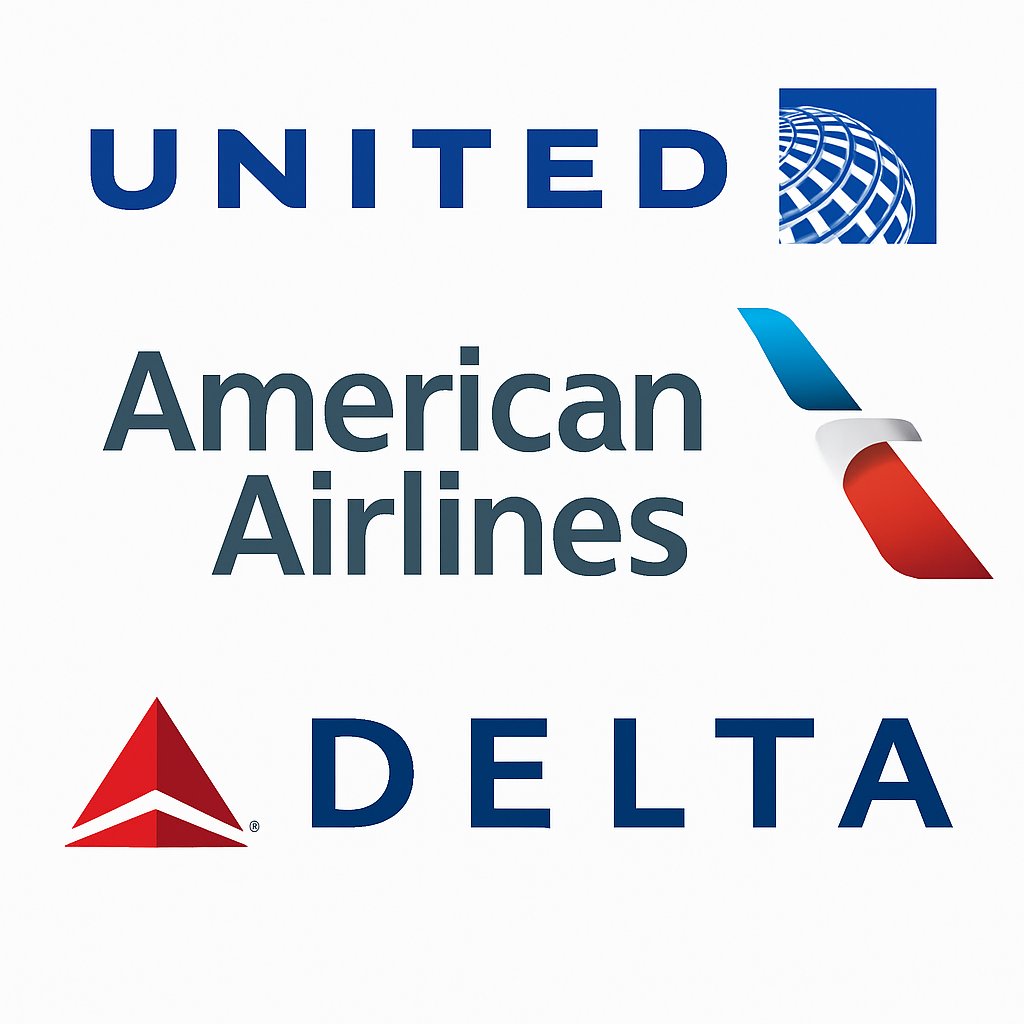
The big three. United, American and Delta Airlines
\*Information in this post is correct at the time of publishing. Programs can and do change.
When Lessons Fade: The Tragedy of D-AXLA and the Importance of Respecting Maintenance Check Flights
The Overlooked Threat: Non-Liquid Runway Contamination and the Gap in Certification Standards
Airbus A320 PFD and ND
- Do not guarantee immediate airline employment
- Require you to build 1,500 flight hours (per FAA Part 121 rules) before you can be hired as a first officer
- Begin with a conditional job offer that may be revoked or delayed depending on airline hiring needs
Work on this one-to-one
CV, cover letter, application support, LinkedIn visibility and career strategy so your airline application gets past screening and lands well with recruiters.